- Call or Email us today !
- info@envisionscreen.com
- +86 400 837 0201

Difference Between P3 and P4 LED Wall: Insights from China Manufacturers
When it comes to choosing the right LED wall for your business, understanding the difference between P3 and P4 LED walls is crucial. I've found that P3 offers a closer viewing distance due to its tighter pixel pitch, making it ideal for applications that require fine detail. On the other hand, P4 can be a more budget-friendly option for larger displays viewed from a distance, great for outdoor events or advertising. As a manufacturer based in China, we prioritize quality and performance in our LED walls. We ensure that both P3 and P4 models are crafted with the latest technology for vibrant colors and durability. When you choose our products, you're not just buying an LED wall; you're investing in a solution that’ll enhance your visibility and engagement. Whether you need something high-resolution or more economical, we’ve got options tailored to fit your unique needs. Let’s elevate your visual displays together.

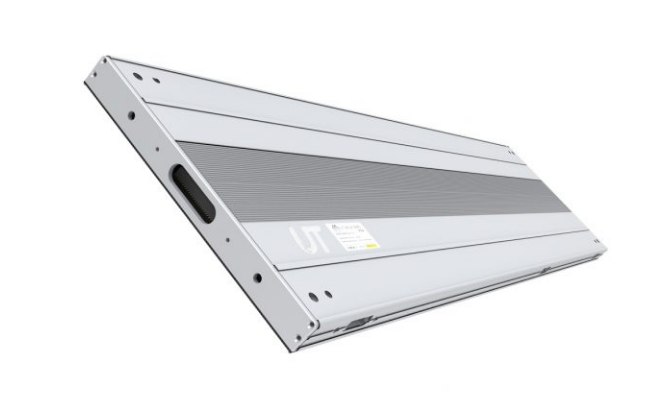

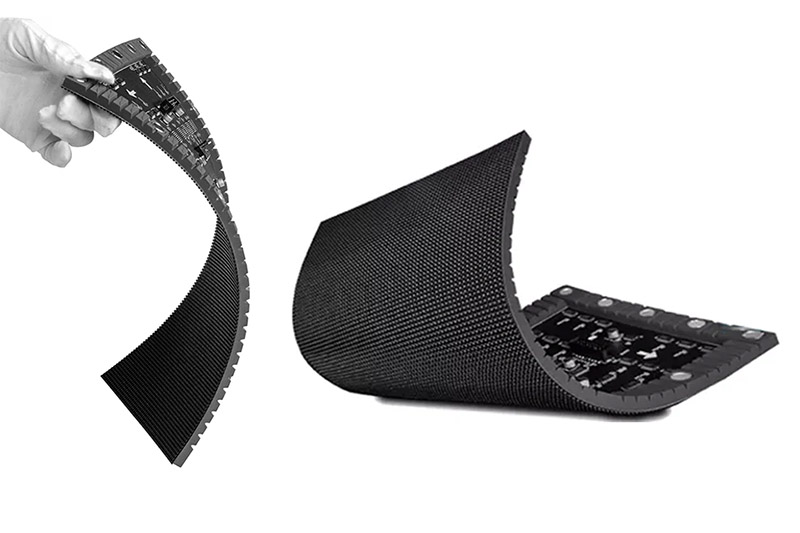


Difference Between P3 And P4 Led Wall Market Leader For the Current Year
When considering the differences between P3 and P4 LED walls, purchasing decisions for global buyers hinge on understanding key performance attributes, use cases, and market trends. P3 LED walls, characterized by a pixel pitch of 3mm, deliver exceptional image clarity and detail, making them ideal for indoor environments where audience proximity is close, such as in broadcasting studios, shopping malls, and high-end event venues. In contrast, P4 LED walls, with a slightly larger pixel pitch of 4mm, offer a balance between resolution and cost-efficiency, making them versatile for various applications including larger venues where viewing distances are farther, such as trade shows and outdoor advertising. In the current year, market leaders are focusing on enhancing the performance of both P3 and P4 LED technologies, emphasizing advancements in energy efficiency and longer lifespan. This is driven by increasing demand for digital displays that not only captivate audiences with vivid colors and sharp images but also align with sustainability goals. Buyers should also take into account evolving features like integrated smart capabilities and real-time content management, which are becoming critical as digital transformation accelerates across industries. Together, these considerations influence purchasing strategies for global buyers looking for reliable LED wall solutions. Understanding the strengths and suitable applications of P3 versus P4 technology is crucial for anyone seeking to maximize their investment in visual display technology and ensure impactful audience engagement.
Difference Between P3 And P4 Led Wall Market Leader For the Current Year
| Dimension | P3 LED Wall | P4 LED Wall |
|---|---|---|
| Pixel Pitch | 3 mm | 4 mm |
| Brightness | 1200 nits | 1000 nits |
| Viewing Distance | Optimal at 3-4 m | Optimal at 4-5 m |
| Resolution | High Resolution | Moderate Resolution |
| Weight | 8 kg/m² | 7 kg/m² |
| Power Consumption | 250 W/m² | 200 W/m² |
| Lifespan | > 100,000 hours | > 100,000 hours |
Related Products


Difference Between P3 And P4 Led Wall Market Leader Custom Solutions,
Top Selling Products




- Related Blog
- Reviews

-

Whatsapp
-

Wechat
-

Email