In 2025, LED display technology has become the core visual solution for commercial communication, architectural design, and digital advertising. Across retail spaces, corporate environments, outdoor advertising networks, and public infrastructure, LED displays and LED screens are rapidly replacing traditional LCD displays and projection systems.
As demand for high resolution LED display screens, large format LED video walls, and energy-efficient LED signage continues to grow, businesses are focusing on display solutions that offer long lifespan, visual impact, and installation flexibility. From indoor LED displays used in conference rooms to outdoor LED displays powering city billboards, LED technology is now the standard rather than the alternative.
This article explores how modern LED display solutions are transforming visual communication, with a focus on COB LED displays, fine pitch LED video walls, transparent LED film displays, outdoor LED billboards, and rental LED displays used across global markets.
Why LED Displays and LED Screens Are Replacing Traditional Display Systems
The shift from LCD video walls and projection systems to LED display screens is accelerating for one simple reason: LED displays outperform legacy display technologies in nearly every category.
Key Advantages of LED Display Screens
●Seamless LED video wall installation without visible bezels
●Higher brightness and contrast than LCD screens
●Superior color uniformity across large LED wall displays
●Longer lifespan compared to traditional digital displays
●Modular cabinet design for easier maintenance
●Customizable LED display size, shape, and resolution
Unlike LCD video walls, a large LED display wall creates a completely seamless image. Compared with projection systems, LED screens maintain brightness and clarity in bright indoor environments and outdoor daylight conditions.
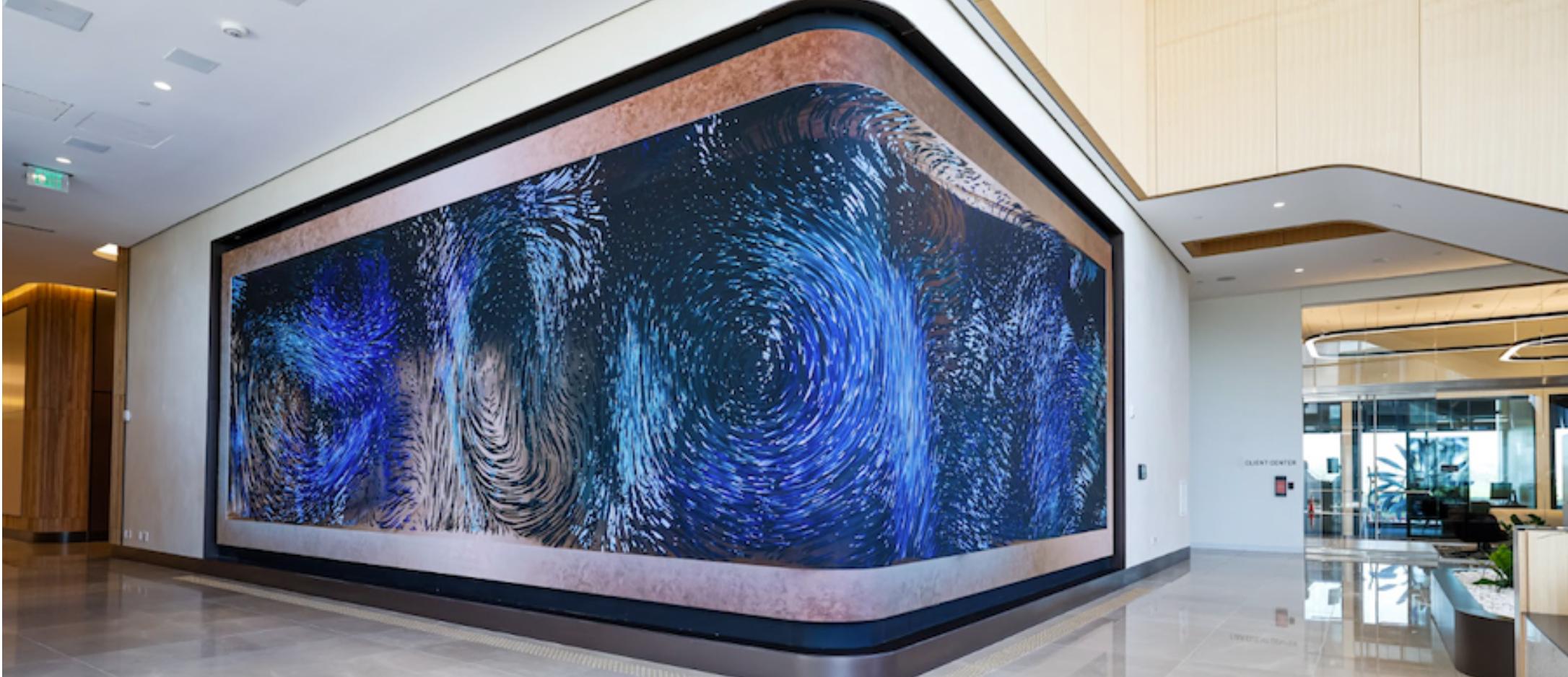
As a result, commercial LED displays are now widely used in corporate offices, shopping malls, airports, broadcast studios, museums, hotels, and public venues.
COB LED Display Technology: The Future of Fine Pitch LED Displays
Among all indoor LED display technologies, COB LED displays have emerged as the most advanced solution for fine pitch LED display applications.
What Is a COB LED Display?
A COB LED display screen uses Chip-on-Board technology, where multiple LED chips are directly mounted onto a single substrate. This structure significantly improves stability and visual performance compared to traditional SMD LED displays.
Advantages of COB Fine Pitch LED Displays
● Ultra-fine pixel pitch (P0.6, P0.9, P1.2, P1.5)
● Higher contrast and deeper black levels
● Anti-collision and anti-moisture surface
● Better heat dissipation for long-term operation
● Lower dead pixel rate
● Reduced glare for close-viewing environments
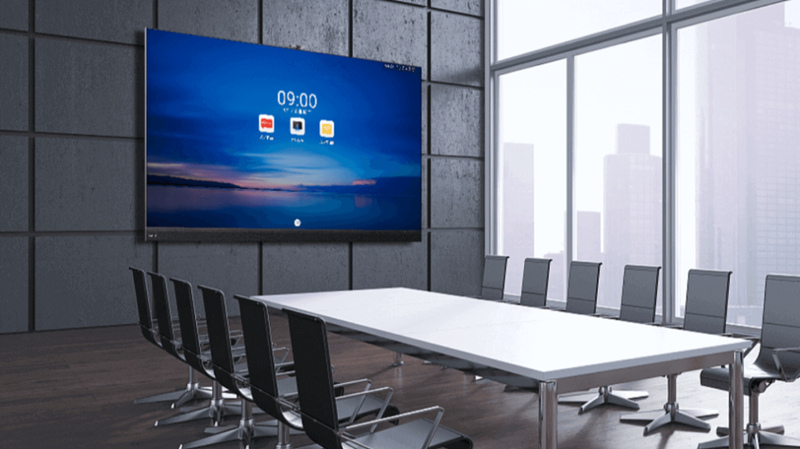
COB LED display solutions are widely used in:
● Corporate meeting rooms
● Command and control centers
● Broadcasting studios
● Financial institutions
● Government facilities
● High-end commercial showrooms
For applications requiring 4K or 8K LED video walls, COB LED displays are increasingly becoming the preferred long-term solution.
Transparent LED Film Displays: A New Category of LED Display Screens
The rapid growth of transparent LED film displays has introduced an entirely new category of LED display solutions designed for glass surfaces and architectural integration.
What Is Transparent LED Film?
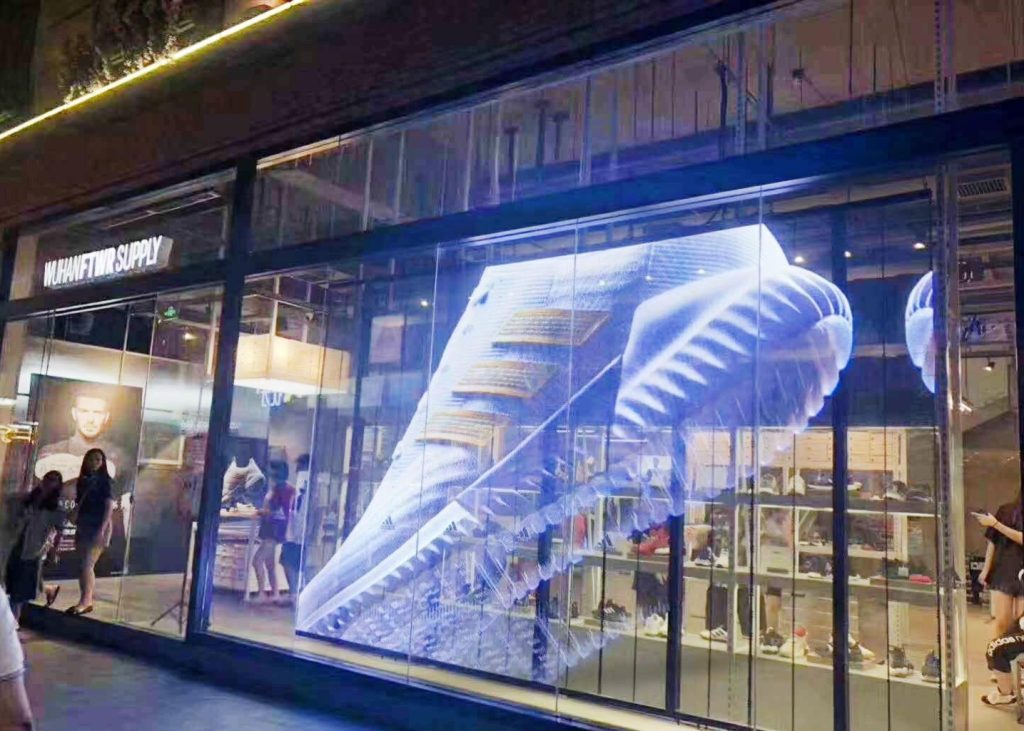
A transparent LED film display is an ultra-thin LED screen that can be directly applied to glass. When the LED display is turned off, the film remains nearly invisible. When turned on, it delivers high-brightness digital content without blocking natural light.
Key characteristics of transparent LED displays include:
● Transparency up to 85–90%
● Lightweight and flexible structure
● Minimal impact on building architecture
● High brightness LED screen performance
● Customizable size and shape
Applications of Transparent LED Display Screens
● Retail storefront LED displays
● Shopping mall glass facades
● Airport terminals
● Commercial curtain walls
● Automotive showrooms
● Exhibition and event spaces
Transparent LED film display solutions allow brands to combine digital advertising with architectural transparency, creating visually striking yet unobtrusive LED signage.
Outdoor LED Displays: High Brightness LED Screens Built for Harsh Environments
Outdoor LED displays remain one of the most important segments of the global LED display market. Unlike indoor LED screens, outdoor LED display screens must withstand extreme weather while maintaining consistent performance.
Essential Features of Outdoor LED Display Screens
● High brightness LED screen (≥ 5000 nits)
● IP65 waterproof and dustproof rating
● Anti-UV and corrosion-resistant materials
● Stable power supply system
● Efficient heat dissipation design
● Wide viewing angle LED display
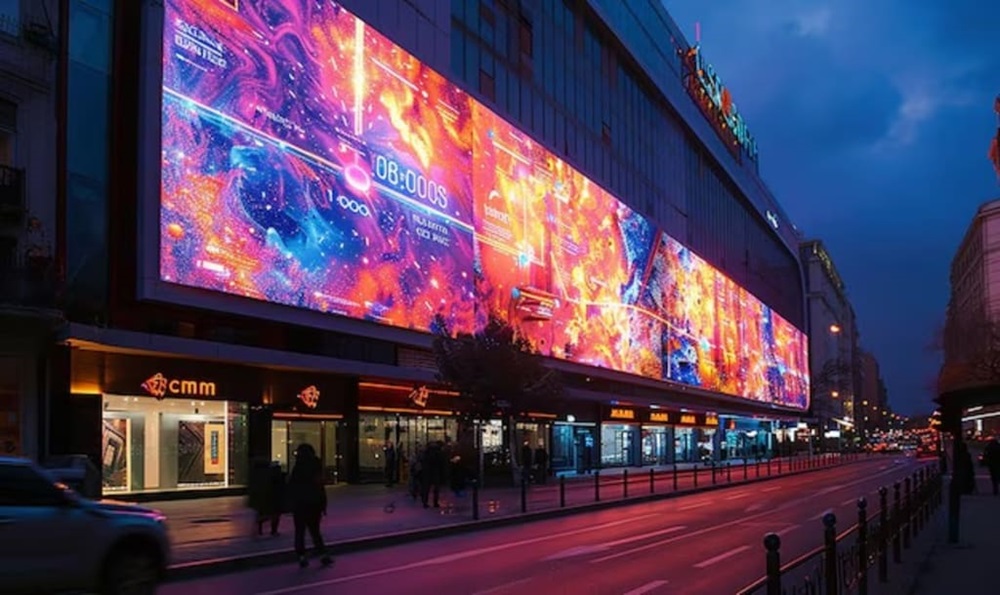
Outdoor LED display applications include:
● LED billboard advertising
● Stadium LED screens
● Roadside LED signage
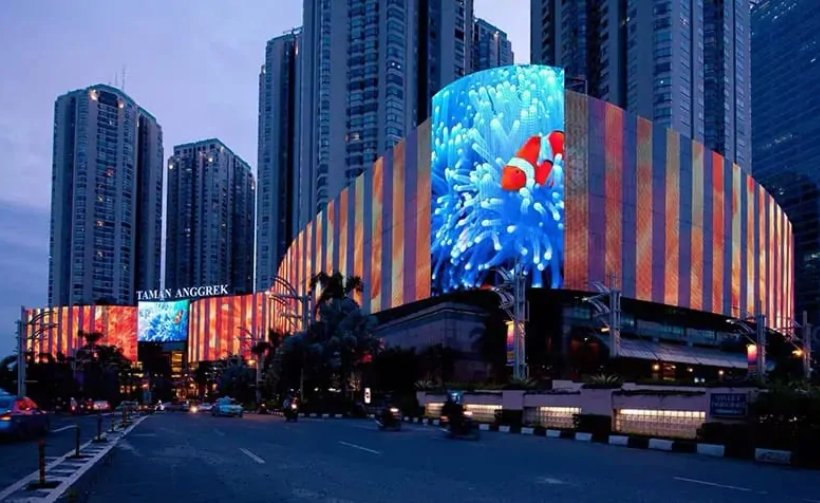
● Building-mounted LED displays
● Public information LED screens
With proper engineering, outdoor LED display screens can operate reliably for many years with minimal maintenance.
LED Displays in Retail: High-Impact LED Screens for Brand Engagement
Retail environments are increasingly adopting LED display screens to replace static signage and traditional posters. Retail LED displays offer dynamic content, flexible messaging, and stronger visual impact.
Why Retailers Choose LED Display Solutions
● Real-time content updates
● High brightness LED screens for visibility
● Custom LED video wall designs
● Improved customer engagement
● Stronger brand storytelling
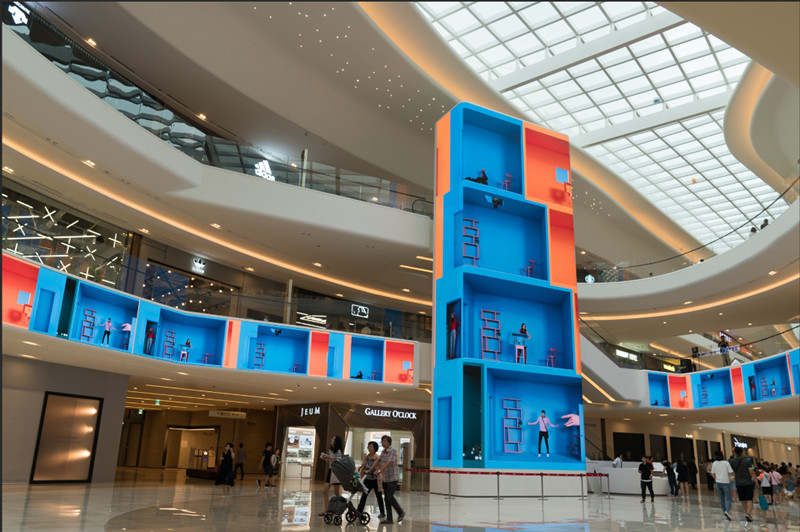
Common retail LED display formats include:
● LED video walls
● Transparent LED window displays
● LED poster screens
● Curved LED displays
● Creative LED wall displays
By using commercial LED display solutions, retailers can create immersive environments that attract attention and increase dwell time.
Rental LED Displays: Flexible LED Screen Solutions for Events
For short-term installations and live productions, rental LED displays remain the most flexible LED display solution.
Key Features of Rental LED Display Screens
● Lightweight aluminum LED cabinets
● Fast installation and dismantling
● High refresh rate LED screens for cameras
● Front and rear maintenance access
● Seamless LED video wall splicing
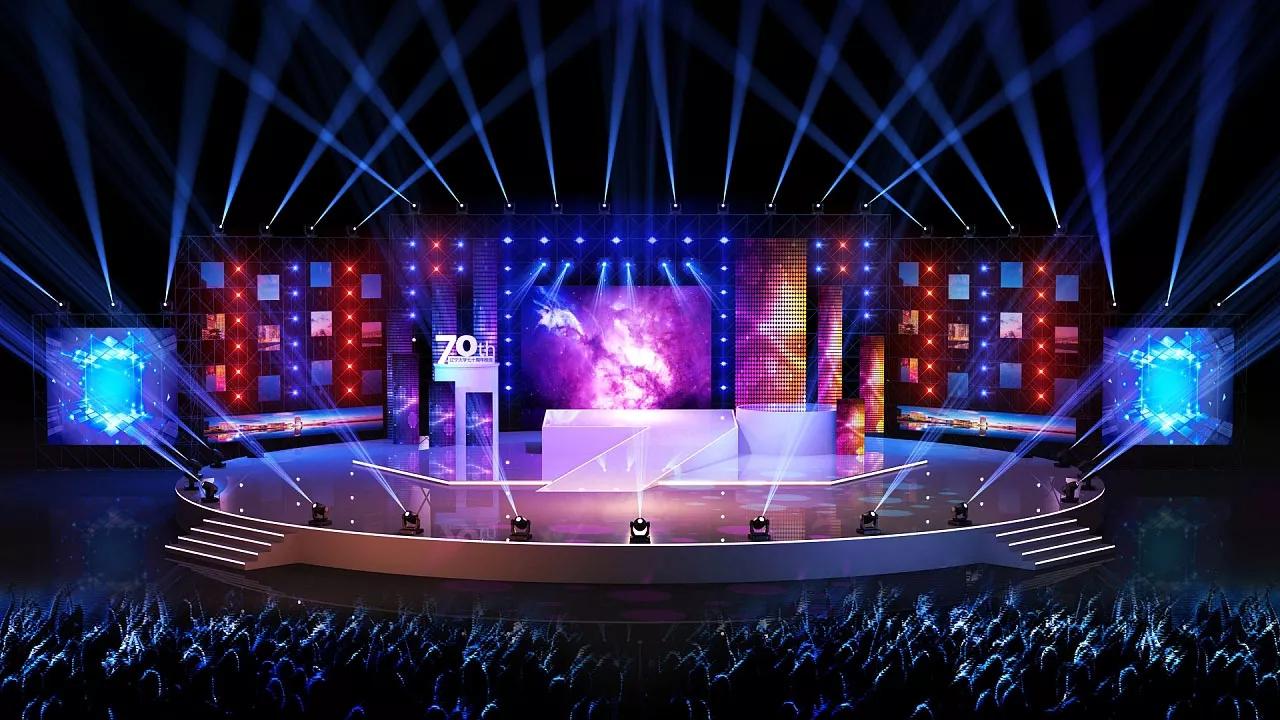
Rental LED displays are widely used for:
● Concert stages
● Corporate events
● Trade shows and exhibitions
● Product launches
● Live broadcast LED screens
LED Display Lifespan, Reliability, and Long-Term Value
One of the most important considerations when choosing an LED display screen is lifespan.
How Long Does an LED Display Last?
● Up to 100,000 hours of operation
● Typically 10–12 years of real-world usage
● Influenced by:
● LED chip quality
● Power supply stability
● Heat management
● Installation environment
A high-quality LED display solution offers a lower total cost of ownership compared to traditional digital display systems.
Future Trends in LED Display Technology
The LED display industry continues to evolve toward higher performance and greater flexibility.
Major LED Display Trends
● COB LED displays becoming mainstream
● Rapid growth of transparent LED displays
● Energy-efficient LED display systems
● Smart LED screen control and monitoring
● Creative and irregular LED display shapes
● Deeper integration with architectural design
Conclusion: LED Displays as a Core Visual Infrastructure
From indoor LED display screens and fine pitch LED video walls to transparent LED film displays and outdoor LED billboards, LED technology has become a foundational element of modern visual communication.
With superior performance, long lifespan, and unmatched flexibility, LED displays and LED screens are no longer optional upgrades—they are strategic investments for businesses, brands, and public spaces.
As visual expectations continue to rise, LED display solutions will remain at the center of digital transformation across industries worldwide.
Post time: Dec-17-2025