- Call or Email us today !
- info@envisionscreen.com
- +86 13418504340
LED Display Solutions for Airport & Terminal Environments
Explore our flagship display products engineered for high-contrast, high-visibility performance in demanding airport and transit environments.
What Is Display Contrast Technology?
Understanding the core technology behind high-performance visual communication in airports and transportation hubs worldwide.
Display contrast technology refers to the engineering methods and hardware configurations used to maximize the difference between the brightest whites and the deepest blacks on a digital screen. In the context of airport flight schedule boards and terminal passenger guidance systems, high contrast ratios are not merely a technical specification — they are a critical safety and operational requirement.
Modern airports operate around the clock under highly variable lighting conditions: from the bright natural light flooding through glass facades during the day, to the artificial fluorescent and LED ambient lighting at night. A display that lacks sufficient contrast technology will produce washed-out, illegible flight information, leading to passenger confusion, missed flights, and operational disruption.
At its core, display contrast technology in airport-grade LED screens encompasses: high-brightness LED drivers, adaptive ambient light sensors, nano-coating anti-glare surface treatments, wide color gamut calibration, and intelligent content management software that dynamically adjusts brightness and contrast ratios based on real-time environmental inputs.
Core Pillars of Display Contrast Technology
High Brightness Output
Airport-grade displays exceed 5,000–10,000 nits to overpower ambient sunlight entering terminal windows, ensuring legibility at all times of day.
Dynamic Contrast Ratio
Advanced contrast ratios exceeding 10,000:1 guarantee that text, icons, gate numbers, and status indicators pop against backgrounds even in mixed-light terminals.
Anti-Glare Surface Coating
Nano-level optical coatings on display panels reduce surface reflections and specular glare, a common challenge in glass-heavy modern airport architecture.
Adaptive Brightness Control
Integrated photosensors and AI-driven CMS automatically adjust display brightness and contrast settings in real time, optimizing energy use and visual clarity simultaneously.
Commercial & Industrial Status: Airport Display Market
The global airport digital signage and flight information display system (FIDS) market has grown into a multi-billion-dollar industry, driven by surging passenger volumes, infrastructure modernization projects, and the relentless demand for real-time operational data delivery. According to industry reports, the global airport digital display market is projected to surpass USD 4.5 billion by 2028, with compound annual growth rates exceeding 9% per year.
Traditional FIDS systems, which once relied on split-flap mechanical boards and early-generation LCD panels, are rapidly being replaced by high-contrast LED display walls and transparent LED panels. These next-generation systems offer unparalleled brightness, color accuracy, and remote content management capabilities that legacy systems simply cannot match.
Major international hubs — including airports in the Middle East, Southeast Asia, Europe, and North America — have committed to full LED-based FIDS upgrades as part of broader smart airport digital transformation programs. Contracts in this segment often range from several hundred thousand to tens of millions of dollars per installation, reflecting both the strategic importance and technical complexity of airport display contrast technology deployments.
Development Trends in Airport Display Contrast Technology
🚀 MicroLED & MiniLED Integration
Next-generation MicroLED and MiniLED panel architectures deliver pixel-level contrast control, enabling perfect blacks alongside extreme whites — critical for fine-pitch airport information boards requiring sub-1mm pixel pitches.
🤖 AI-Powered Content Adaptation
Machine learning algorithms now analyze passenger foot traffic patterns, time-of-day lighting profiles, and even weather data to autonomously adjust contrast and brightness outputs across all terminal displays simultaneously.
🌫️ Transparent LED Display Walls
Transparent LED technology allows airports to maintain architectural aesthetics — particularly glass walls — while overlaying high-contrast flight data, wayfinding arrows, and advertising content without blocking natural light.
♻️ Energy-Efficient HDR Displays
High Dynamic Range (HDR) processing combined with local dimming zones allows airport displays to achieve superior contrast ratios while significantly reducing power consumption compared to conventional full-bright panels.
📡 Cloud-Based FIDS Integration
Modern airport display platforms integrate directly with airline departure control systems (DCS) and airport operational databases (AODB) via cloud APIs, enabling instantaneous, contrast-optimized real-time flight data updates across all screens.
🛡️ Redundancy & Fail-Safe Systems
Mission-critical airport environments demand zero-downtime display operation. Advanced contrast display systems incorporate hot-swap module designs, redundant power supplies, and automatic failover management to ensure continuous operation.
Deep Application Scenarios: Where Contrast Technology Matters Most
✈️ Flight Information Display Systems (FIDS)
FIDS boards are the primary interface between airport operations and passengers. High-contrast LED panels ensure flight numbers, gate assignments, departure/arrival times, and status updates (On Time, Delayed, Boarding, Cancelled) are instantly legible from distances exceeding 30 meters, even in direct sunlight conditions near terminal windows.
🗺️ Terminal Wayfinding & Directional Signage
Dynamic wayfinding displays with high contrast ratios guide passengers through complex terminal layouts, security checkpoints, baggage claim areas, and gate connections. Real-time updates allow displays to reflect gate changes and operational disruptions immediately, reducing confusion and improving passenger flow efficiency.
🚪 Gate-Level Information Boards
Individual gate display panels require ultra-fine pixel pitches (P1.2 to P2.5) combined with superior contrast performance to present boarding pass verification instructions, zone boarding sequences, aircraft type information, and connection flight alerts in compact, high-density information formats.
🏪 Retail & Concession Advertising Integration
Modern airports increasingly integrate commercial advertising content within passenger guidance display networks. Contrast technology ensures brand imagery and promotional content maintain visual impact alongside critical operational information without overwhelming or confusing travellers.
🛄 Baggage Claim Information Displays
Baggage reclaim hall displays operate in high-ambient-light environments with constant passenger movement. High-contrast LED panels displaying carousel assignments, expected delivery times, and lost luggage instructions significantly reduce queuing confusion and improve ground handling operational efficiency.
🏢 Command & Control Center Displays
Airport operations control centers (AOCC) rely on large-format, high-contrast LED video walls to monitor flight schedules, security camera feeds, weather conditions, and ground movement radar simultaneously. Contrast performance directly impacts operator decision-making speed and accuracy during high-stress operational scenarios.
Who We Are
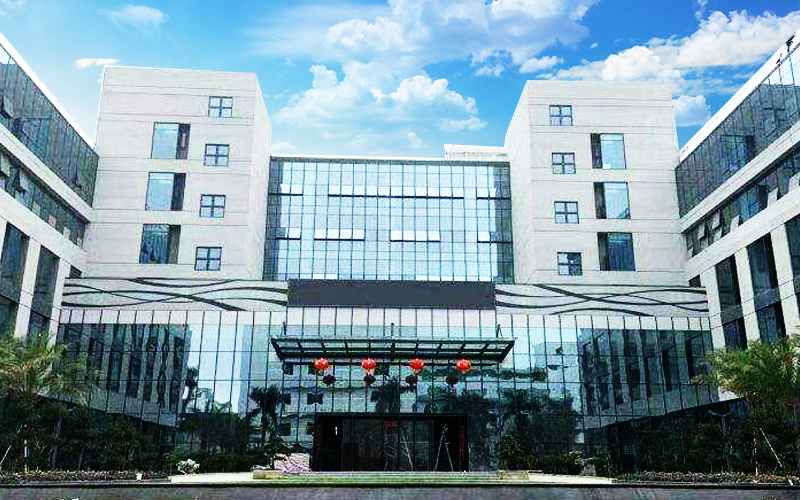
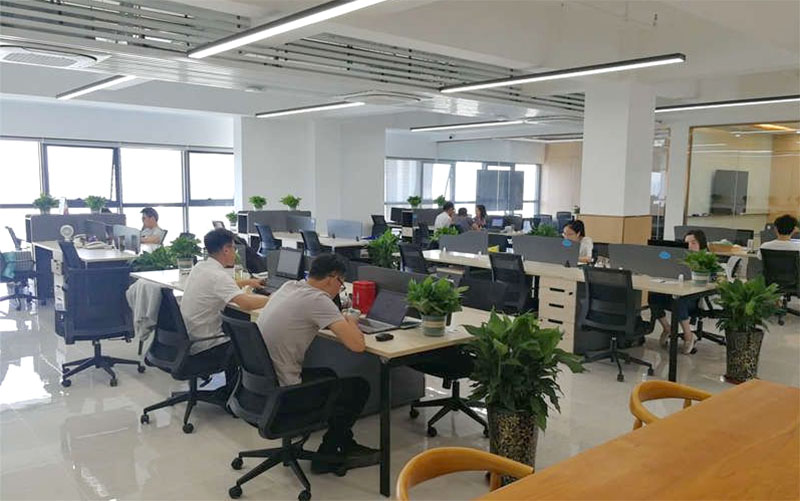
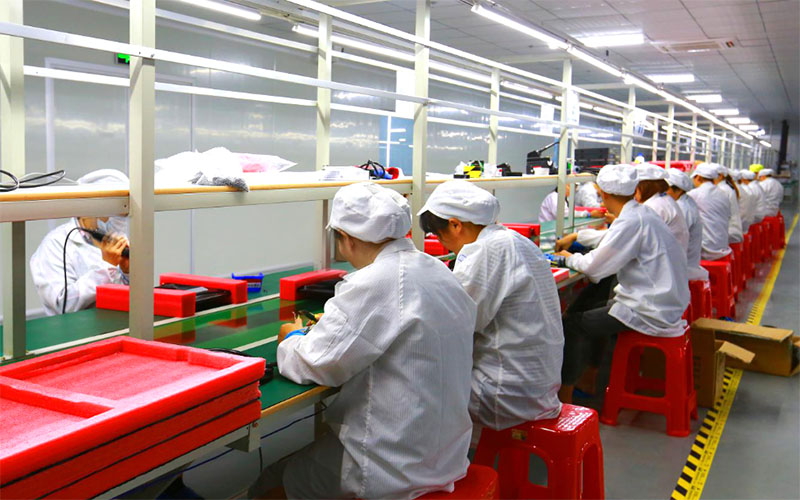
Envision, the global visual technology solutions provider, has been adhering to technological innovation since its establishment 20 years ago. Its thirty-acre southeast China facility is ideally located in the center of the globe's tech-manufacturing base. With a monthly capacity of over 20 million LEDs, this sophisticated factory creates cutting edge products that lead the LED industry in design, performance and efficiency.
Global Reach & Certifications
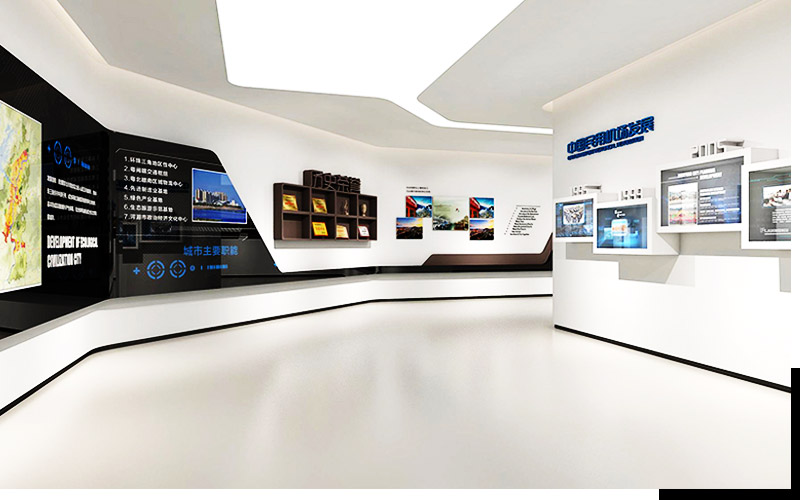
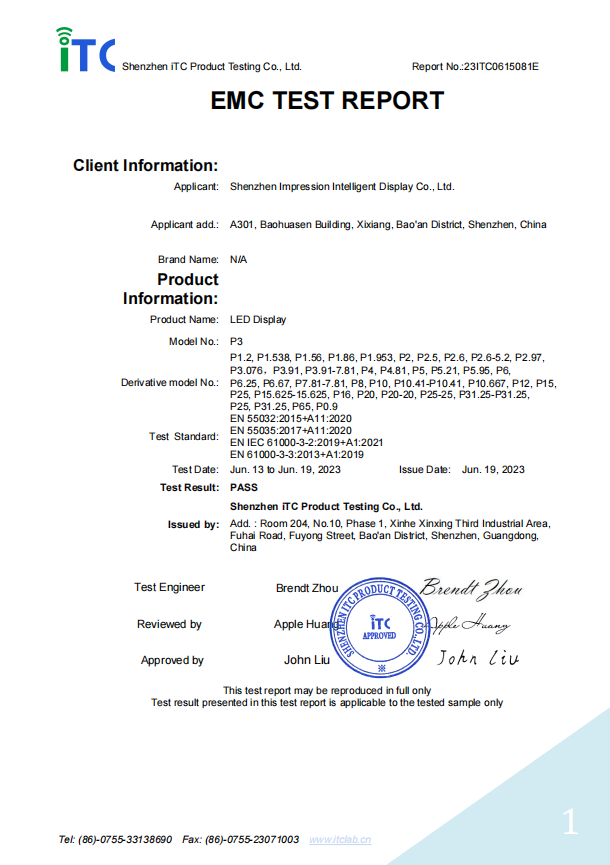
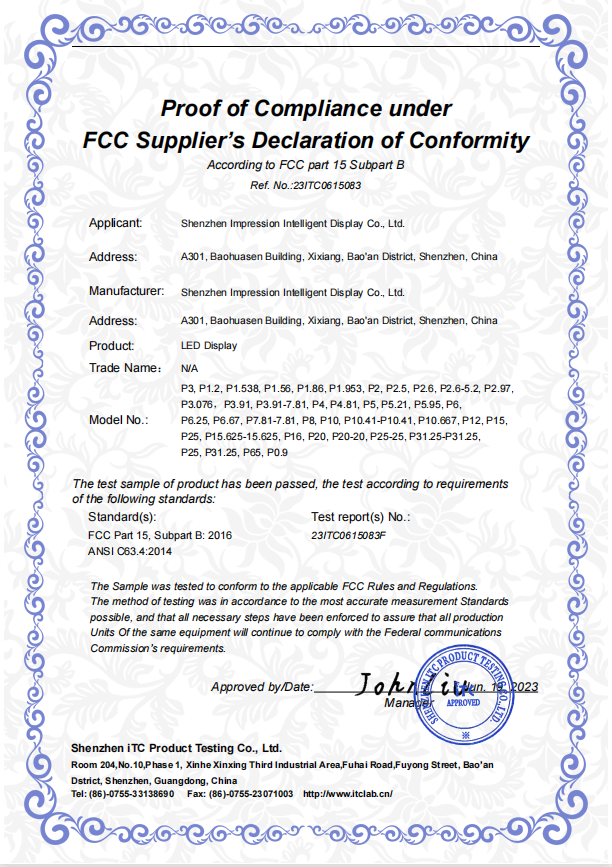
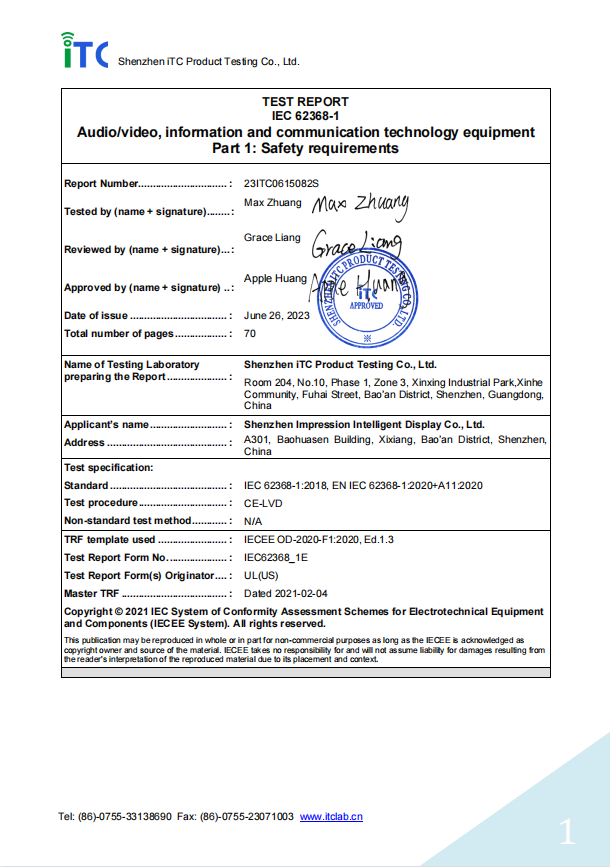
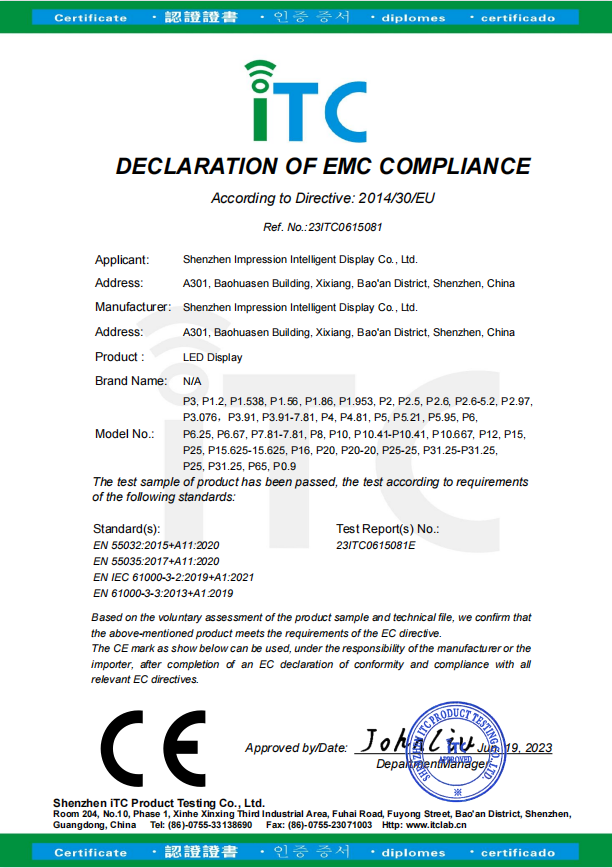
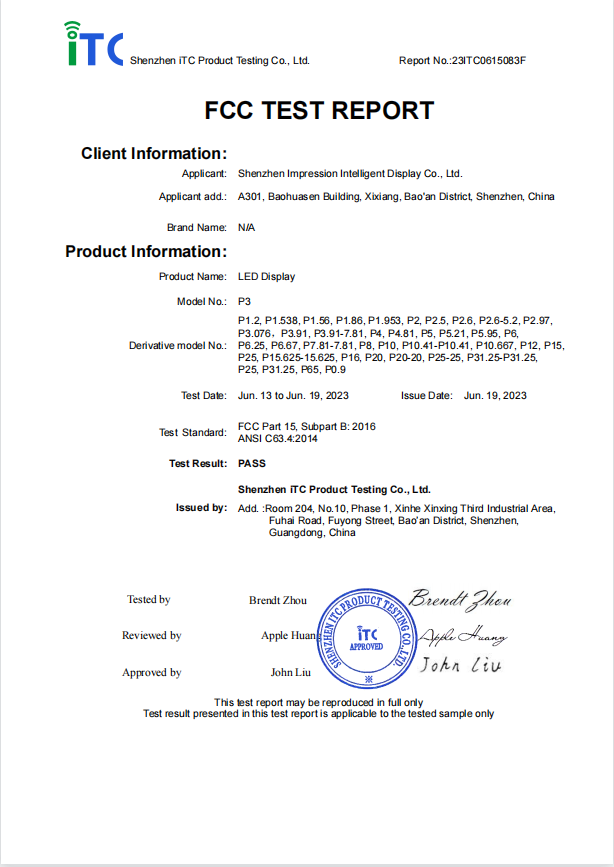
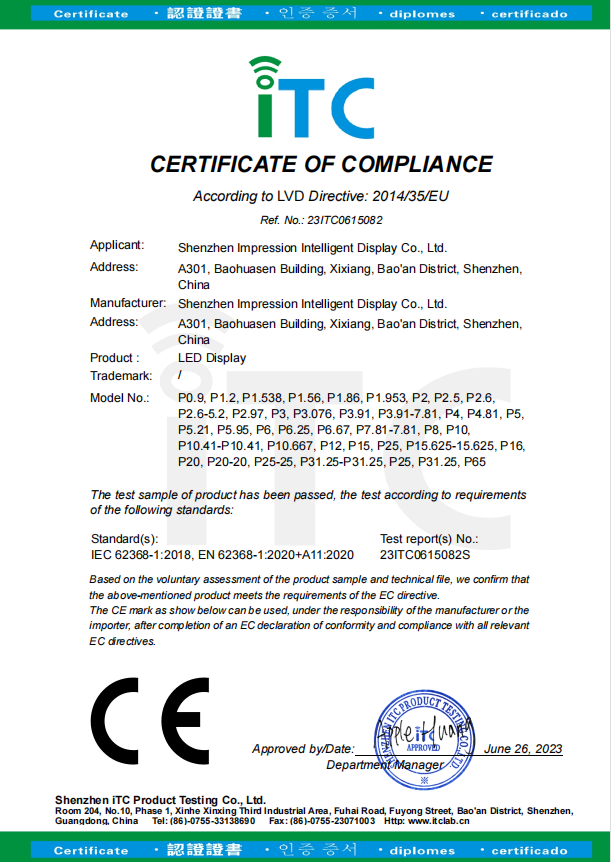
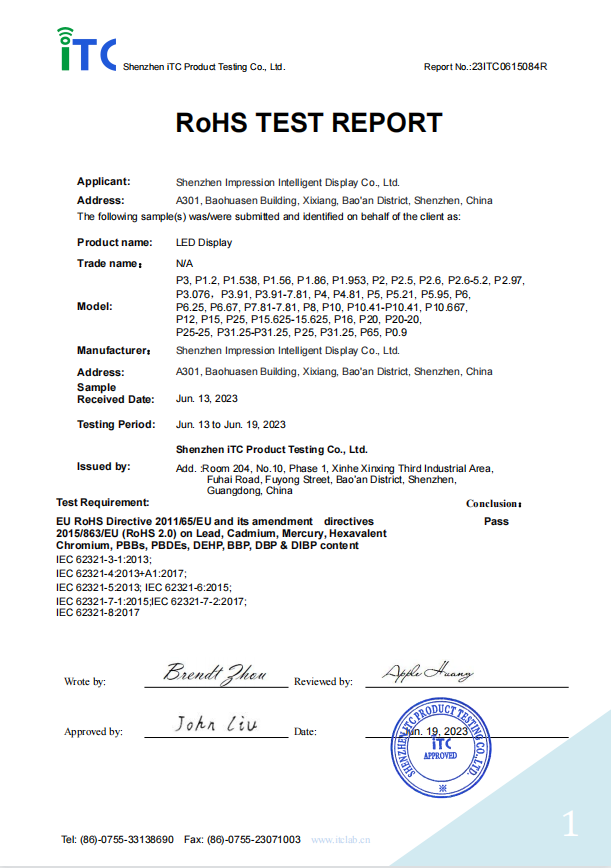
Envision has installations in over 120 countries with CCC, CE, ETL, FCC, RoHS and TUV certified. With 80% of Envision's total sales revenue coming from overseas, the goal has been to meet the demands and standards of an international client. Envision has focused on a localization model to provide the highest level of production, sales, and support to each region.
What Do We Do
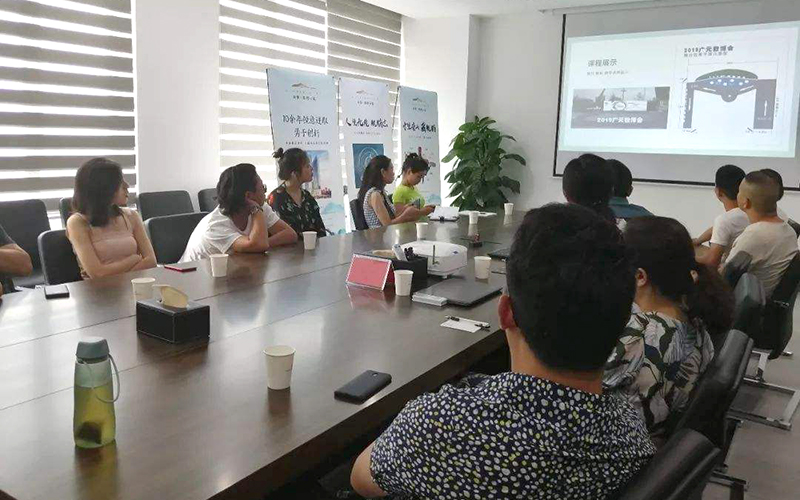
Focusing on independent innovation and continuous improvement, Envision has always occupied a leading position in the industry. Envision's product application range covers advertisement, transportation, sports, events, command & control, corporate branding and meetings, creative applications and so much more. With the capital reserves to innovate, invest and acquire in the next generations of LED technology, Envision combined with an entrepreneurial and forward looking corporate culture, we will continue to lead the industry, providing crisper, smaller pitch screens that are cost effective, quick to install, easy to maintain, and provide the best possible experience to our clients and their end users, allowing their message to shine.
Certifications & Industry Standards
Our display technologies are certified to the highest international safety, electromagnetic, and environmental standards — a prerequisite for deployment in regulated airport infrastructure environments worldwide.
Why High-Contrast Displays Are Non-Negotiable for Airports
Passenger Safety & Operational Efficiency
In a busy international airport handling tens of thousands of passengers per hour, the clarity of displayed information is directly linked to both passenger safety and operational throughput. Studies conducted by airport authorities have shown that improved display legibility reduces missed boarding events by up to 23% and decreases queries to information desk staff by over 35%, directly improving both passenger satisfaction scores and staff productivity.
ADA Compliance & Accessibility Requirements
International accessibility standards, including the Americans with Disabilities Act (ADA) in the US and equivalent regulations in the EU, mandate minimum contrast ratios for public information displays. High-contrast LED display technology not only meets but significantly exceeds these requirements, ensuring airport operators maintain regulatory compliance while improving the travel experience for passengers with visual impairments.
Commercial Revenue Optimization
Airport commercial teams increasingly leverage display networks for premium advertising placements. High-contrast display technology ensures that commercial content retains visual impact and brand integrity regardless of ambient lighting conditions, protecting advertiser investment and maximizing the revenue potential of digital out-of-home (DOOH) airport advertising networks.
Long-Term Total Cost of Ownership
While high-contrast LED display systems represent a greater initial capital investment compared to conventional LCD alternatives, their superior brightness efficiency, extended operational lifespan (typically 100,000+ hours), reduced maintenance requirements, and lower long-term power consumption deliver significantly better total cost of ownership over the typical 10–15-year lifecycle of an airport display infrastructure program.
- LED panels consume up to 40% less energy than comparable LCD alternatives at equivalent brightness levels
- Modular LED construction allows individual pixel or module replacement without full panel shutdown
- Remote monitoring and predictive maintenance systems reduce unscheduled downtime to near zero
- Wide operating temperature ranges (-20°C to +50°C) ensure reliable performance across global climate conditions
Complete Airport & Terminal Display Product Range
Discover the full range of Envision high-contrast LED display solutions engineered for airport flight schedule boards, terminal wayfinding, and passenger guidance systems.
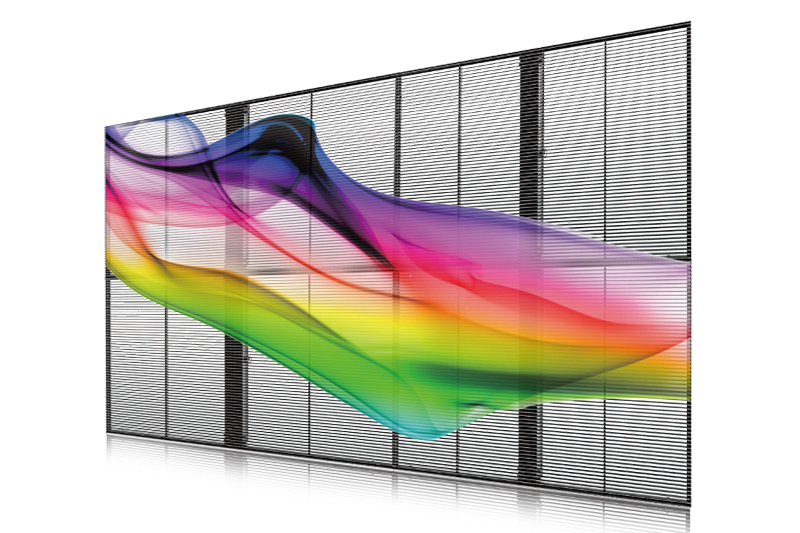 Airport Terminal Transparent LED Flight Schedule Display
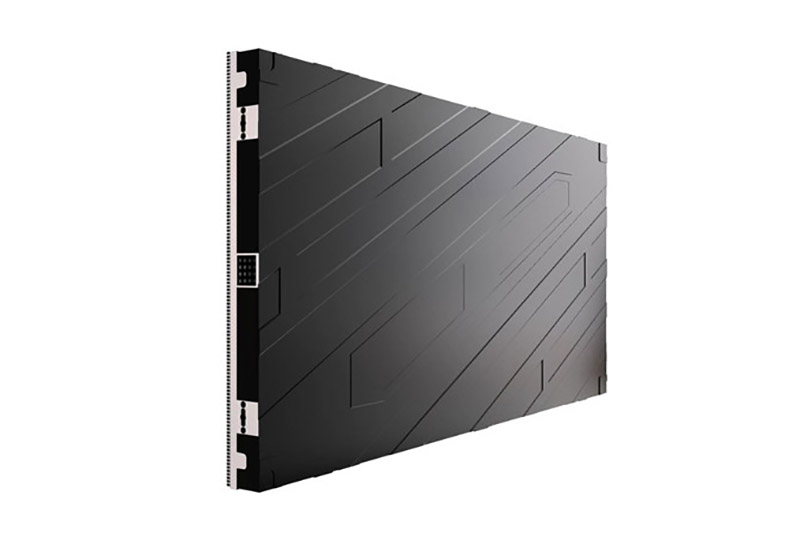 Fixed LED Display for Airport Passenger Guidance Boards
 LED Cube Display for Airport Concourse Wayfinding
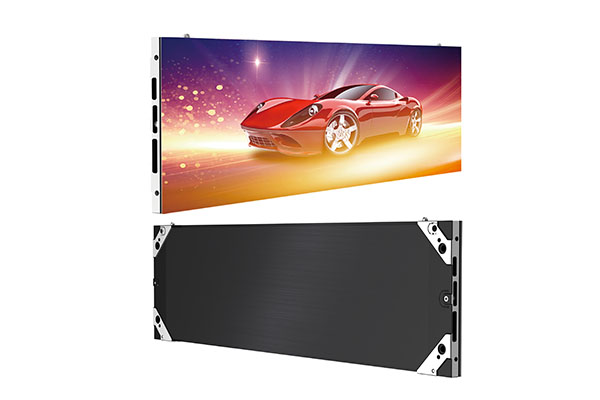 Permanent LED Display for Gate Information Systems
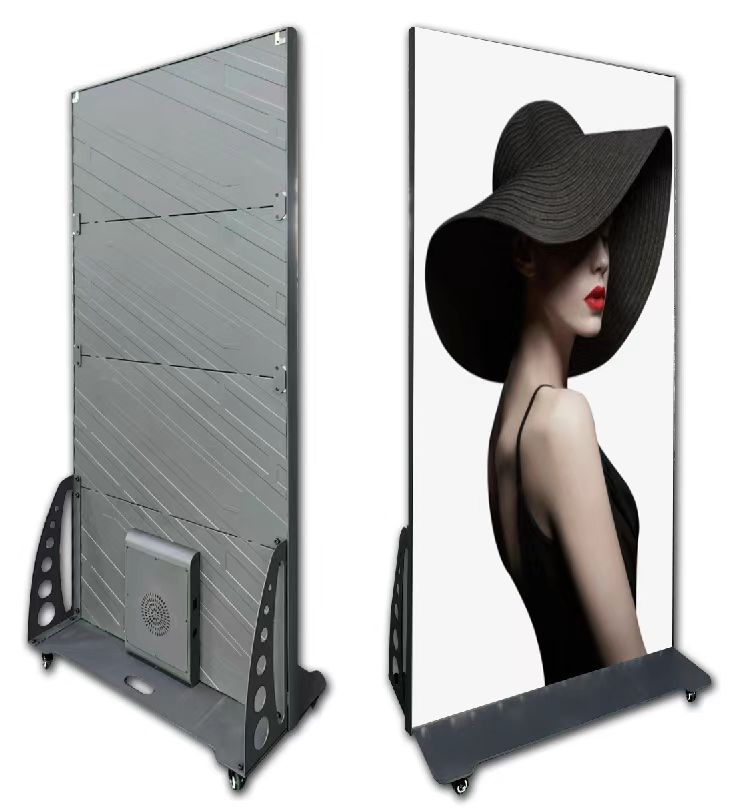 Dynamic LED Poster Display for Airport Terminal Communication
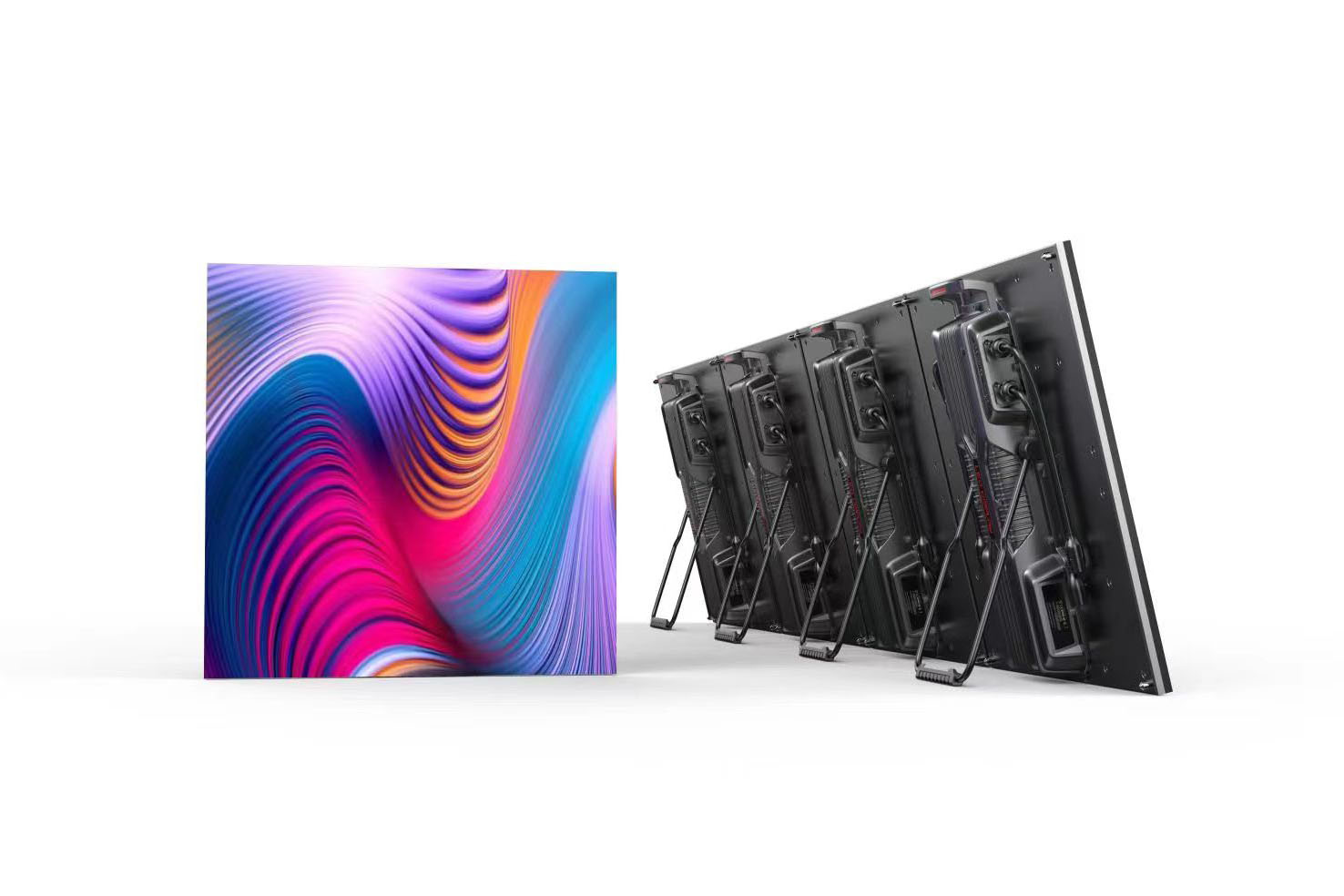 LED Floor Screen for Airport Interactive Passenger Engagement
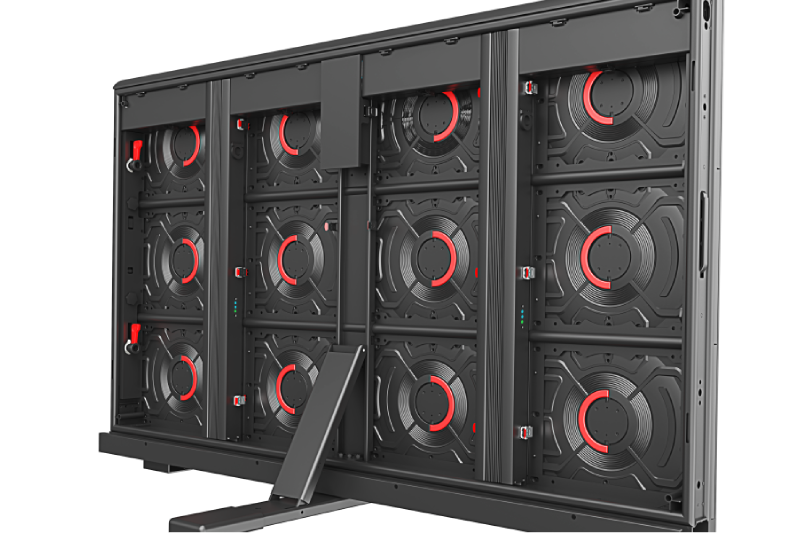 Large Format LED Screen for Airport Arrival Hall Displays
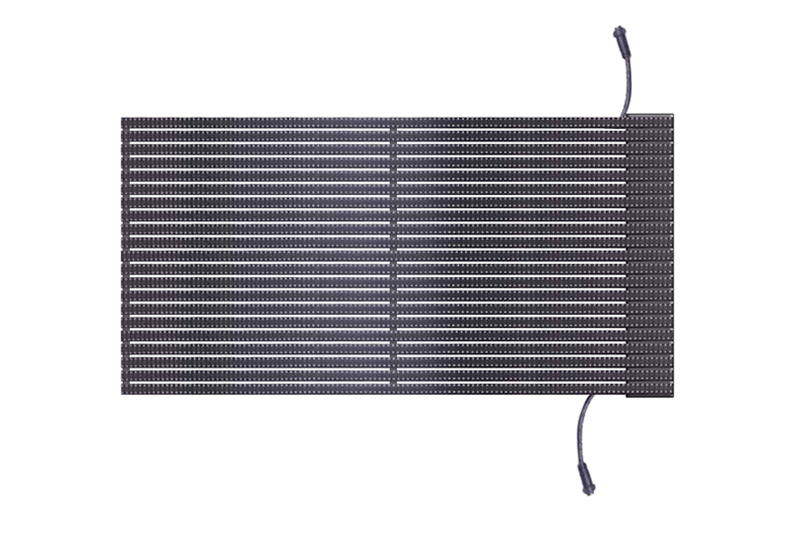 Outdoor Transparent LED Display for Airport Facade Signage
-

Whatsapp
-

Wechat
-

Email